Welcome to
East Tampa is a centrally located and evolving industrial and commercial submarket within Tampa, positioned just east of downtown and benefiting from immediate access to some of the region’s most critical transportation corridors. Historically industrial in character, East Tampa continues to play an important role in the city’s logistics, warehousing, and service-based commercial ecosystem, while also seeing gradual reinvestment and redevelopment pressure in select corridors.
The submarket is strategically located near major roadways including I-4, I-275, and key east-west arterials, providing efficient connectivity to downtown Tampa, the Port of Tampa Bay, and regional distribution routes across Central Florida. This connectivity has long supported industrial and trade-oriented uses, making East Tampa a practical location for users that require proximity to the urban core without the higher occupancy costs of more constrained submarkets.
Industrial & Logistics Overview
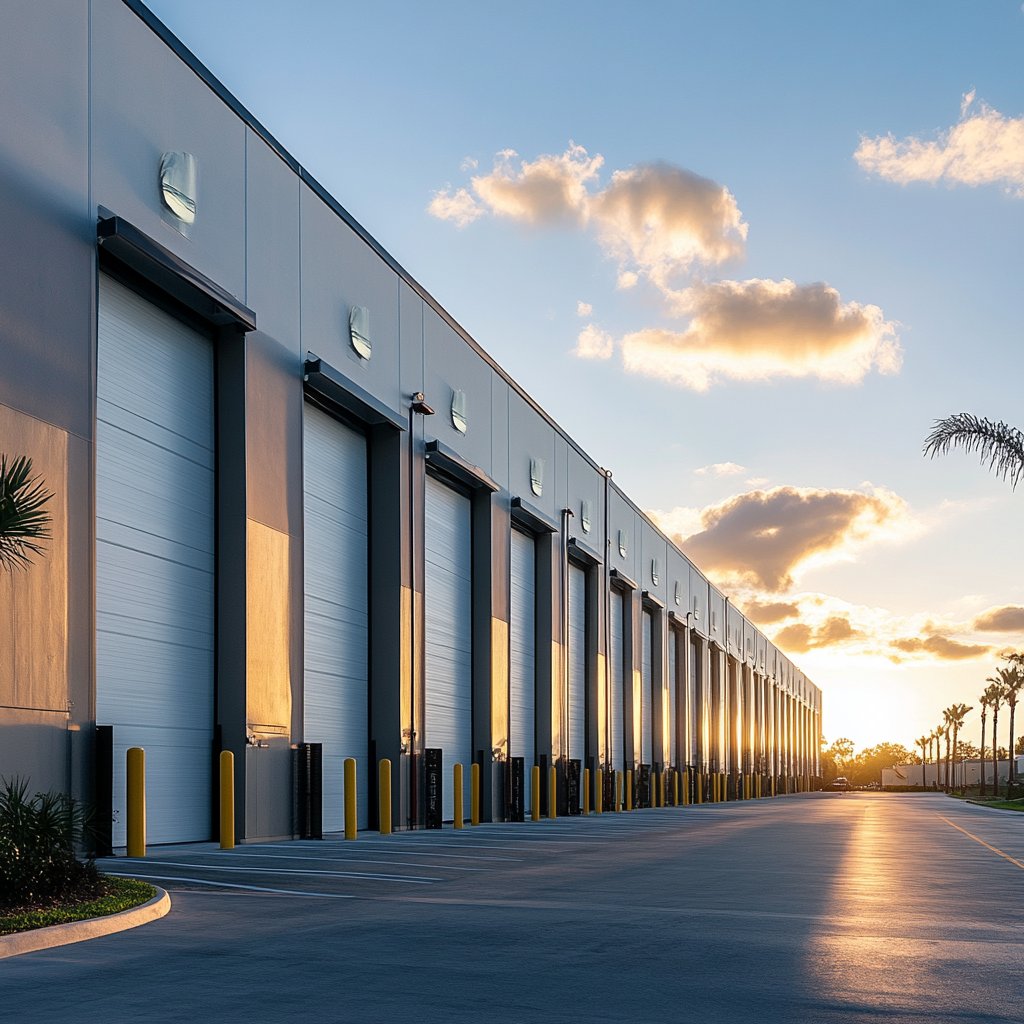
East Tampa is primarily defined by its industrial and flex inventory, which includes a mix of older warehouse product, light manufacturing facilities, contractor yards, and small-to-mid bay distribution spaces. The submarket continues to serve a wide range of operational users, including construction-related businesses, regional service fleets, storage operators, and light industrial tenants.
While some properties reflect an older industrial stock, this also creates value-add opportunities for repositioning, redevelopment, and functional upgrades. Demand in East Tampa is typically driven by users prioritizing affordability, centrality, and access over newer construction specifications. Its proximity to downtown and major freight corridors helps maintain consistent leasing activity despite limited new development.
Retail Market Overview
Retail in East Tampa is generally secondary to industrial uses but remains active along key arterial roads where neighborhood density and commuter traffic support small-scale commercial activity. Retail offerings are largely convenience-oriented, including quick-service restaurants, local services, automotive-related tenants, and essential neighborhood retail.
Unlike more affluent or tourism-driven submarkets, East Tampa’s retail base is fundamentally service-focused, catering to the surrounding residential population and workforce rather than destination or experiential demand. This creates a stable but value-driven retail environment with steady, necessity-based tenant demand.
Redevelopment & Investment Trends
East Tampa continues to be an area of long-term interest for redevelopment due to its proximity to downtown Tampa and its relatively underutilized land and building stock. Select corridors are seeing increased attention for adaptive reuse, infill development, and mixed-use repositioning as the broader Tampa market expands outward from the urban core.
Public and private investment initiatives aimed at infrastructure improvements and neighborhood revitalization are also contributing to gradual transformation, although the submarket remains firmly grounded in its industrial and working-commercial identity.
Best Suited For
East Tampa is particularly well-suited for:
Overall, East Tampa represents a centrally located, functionally driven submarket that continues to support the operational backbone of Tampa, offering affordability, connectivity, and long-term redevelopment potential within the broader Tampa Bay commercial landscape.

110 N. 11th St. Suite 209, Tampa, FL 33602
110 N. 11th St. Suite 209, Tampa, FL 33602