Welcome to
Drew Park
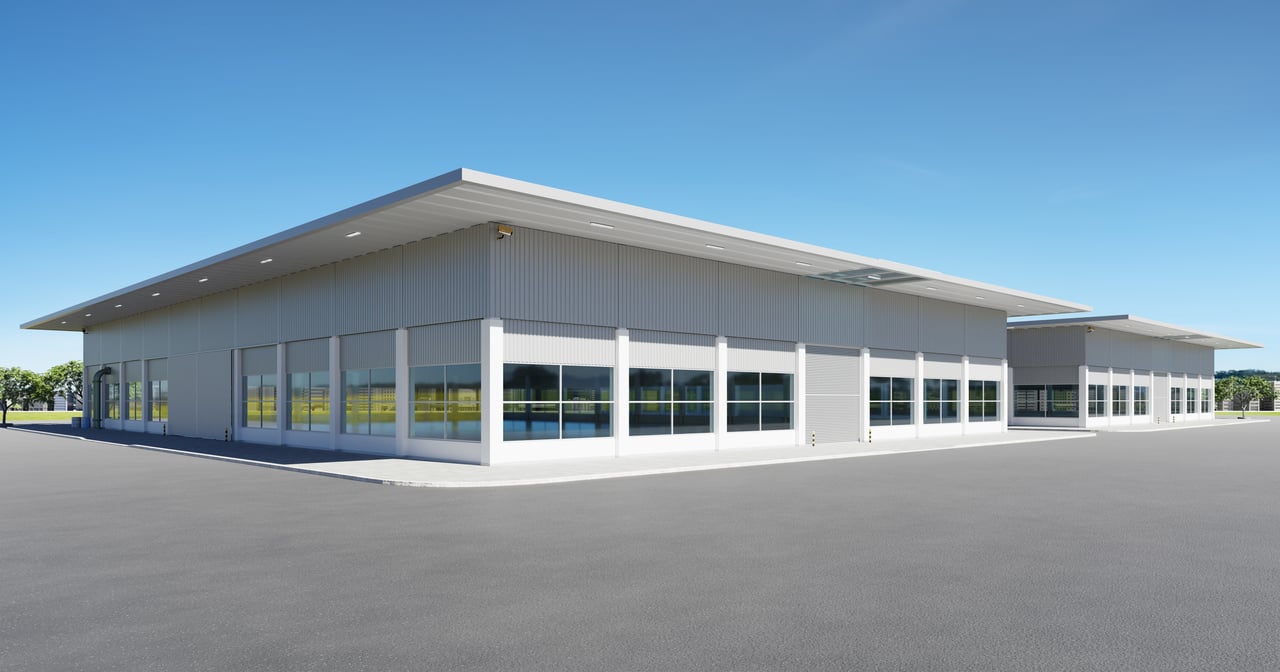
Drew Park is an established industrial core within Tampa’s logistics network, historically hosting large distribution and warehouse users.
Drew Park is a long-established industrial and logistics hub within the western corridor of Tampa. Strategically positioned between downtown Tampa and the region’s primary transportation gateways, it has historically served as a foundational submarket for large-scale distribution, warehousing, and service-based industrial operations. Its proximity to major infrastructure continues to make it one of the most functionally important industrial nodes in the Tampa Bay logistics network.
One of Drew Park’s defining advantages is its immediate access to key regional and interstate systems, including I-275, which connects the submarket to the broader Tampa Bay area and statewide distribution routes. It also sits adjacent to Tampa International Airport, a major logistics and passenger hub that further enhances its value for time-sensitive freight, service fleets, and regional distribution users. This connectivity positions Drew Park as a highly efficient base for businesses that require centrality within the metro area while maintaining access to statewide and national supply chains.
Industrial & Logistics Overview
Drew Park is fundamentally an industrial-first submarket, with a heavy concentration of warehouse, flex, and distribution facilities. It has traditionally attracted large-format logistics users, contractor operations, and regional service companies that benefit from its central location and strong transportation access. While submarket-specific vacancy and rent data can fluctuate, Drew Park consistently plays a stabilizing role in Tampa’s broader industrial inventory due to its established tenant base and limited redevelopment pressure compared to more residential or mixed-use areas.
The submarket is particularly well-suited for last-mile distribution, bulk storage, and operational headquarters that require efficient mobility throughout the Tampa Bay region. Its proximity to both downtown Tampa and the airport creates a unique advantage for tenants balancing regional service coverage with logistical efficiency.
Retail Market Overview
Retail in Drew Park is secondary to its industrial identity, with most commercial activity concentrated in small-scale, neighborhood-serving formats. These uses typically support the surrounding workforce and industrial tenants rather than serving as destination retail. As a result, retail here tends to be functional in nature—focused on convenience, food service, and basic daily needs—rather than experiential or high-end concepts.
Investment & Development Characteristics
Drew Park remains one of the more stable industrial submarkets in the region due to its established infrastructure and long-standing tenant base. Development activity is generally limited by land constraints and competing uses, which helps preserve its industrial character over time. Investors and occupiers are typically drawn to the area for its central location, operational efficiency, and lower barriers to regional distribution compared to more congested urban cores.
Best Suited For
Drew Park is especially well-positioned for:
Overall, Drew Park remains a critical backbone of Tampa’s industrial ecosystem, offering unmatched centrality, strong transportation connectivity, and a long-established role in supporting the region’s logistics and distribution economy.

110 N. 11th St. Suite 209, Tampa, FL 33602
110 N. 11th St. Suite 209, Tampa, FL 33602