Welcome to
Downtown Tampa
Represents the city’s highest‑profile commercial core, with robust retail demand fueled by office workers, residents, and visitors.
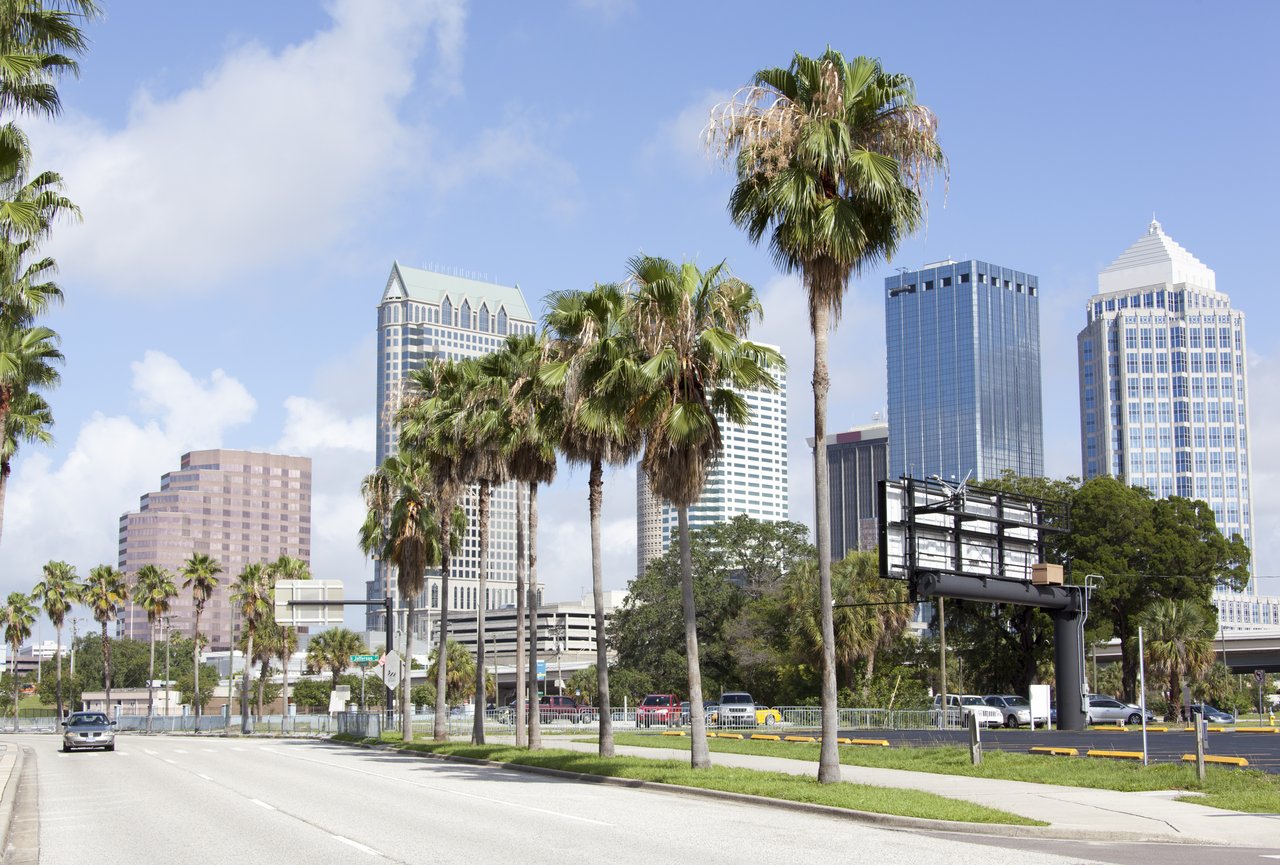
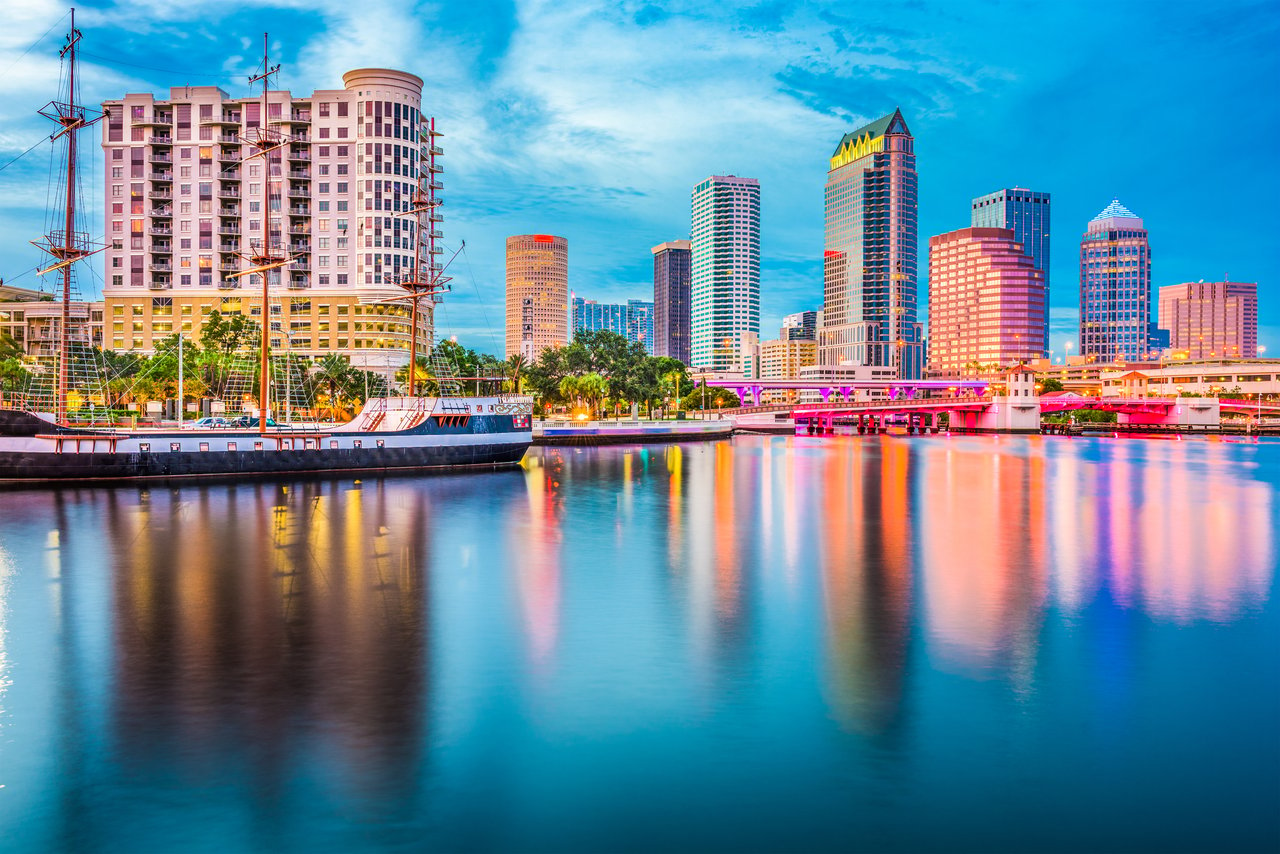
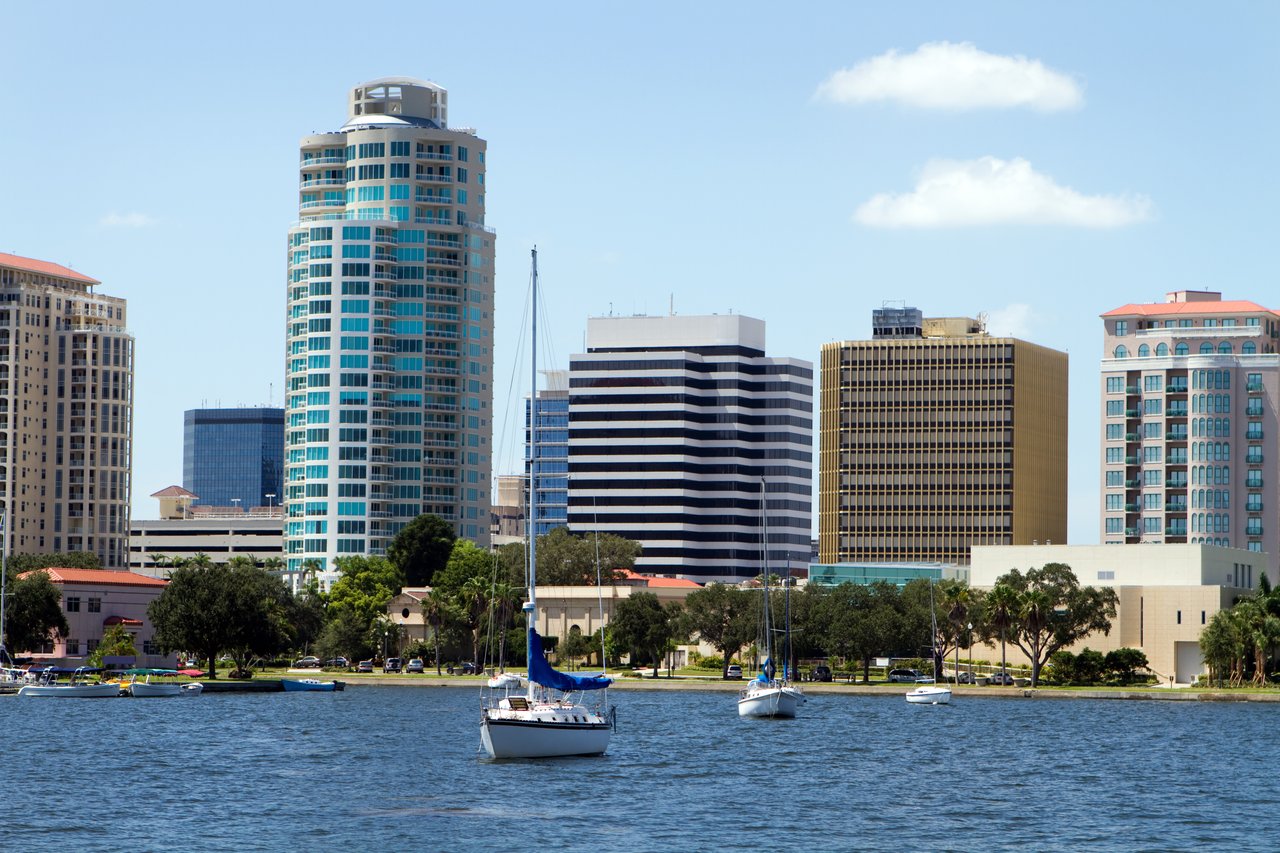
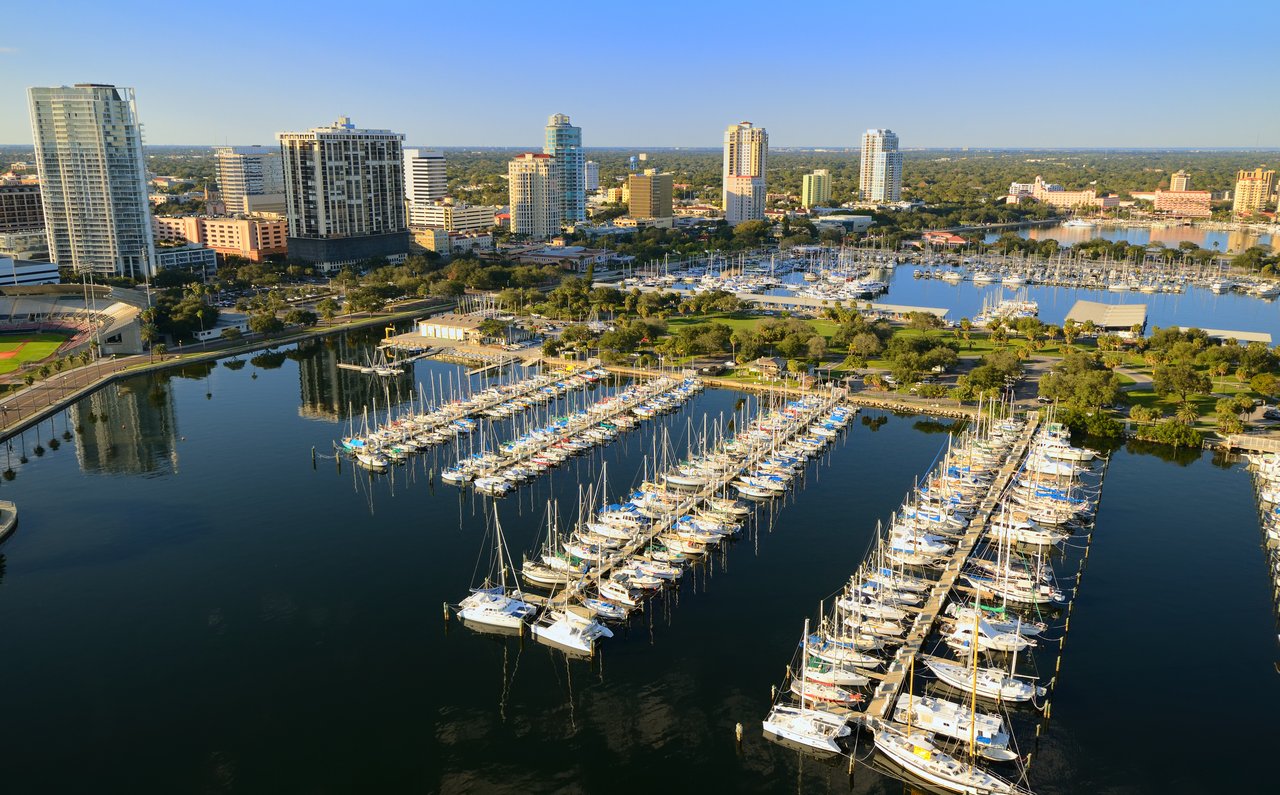
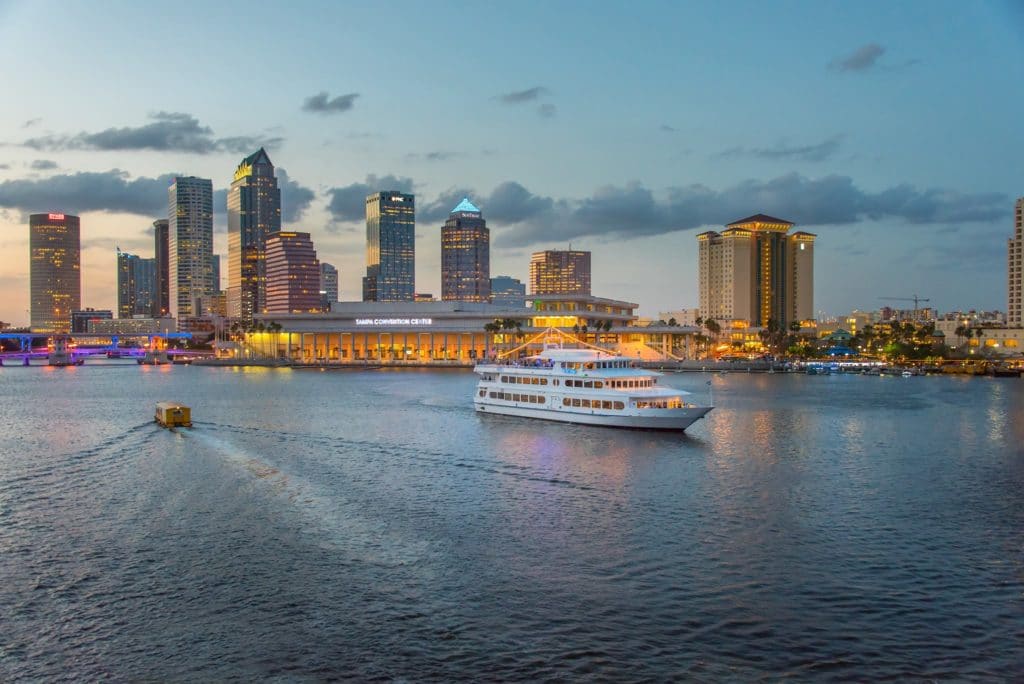
Downtown Tampa serves as the city’s premier commercial core and most visible urban submarket, combining high-density office employment, growing residential development, and a rapidly evolving mixed-use retail environment. As the central business district of Tampa, it continues to attract institutional investment and national attention due to its ongoing transformation, waterfront access, and concentration of major employment and entertainment drivers.
The submarket benefits from a unique blend of daytime office population, evening residential activity, and consistent visitor traffic driven by nearby attractions, events, and waterfront amenities. Key assets such as the Tampa Riverwalk and Amalie Arena further enhance foot traffic and support a strong ecosystem for experiential and destination-oriented retail.
Retail fundamentals across the broader Tampa Bay region remain among the tightest in the country, with vacancy generally in the ~3–4% range and continued positive absorption through 2025. Downtown Tampa benefits directly from this constrained supply environment, where limited new ground-floor retail opportunities and rising population density in adjacent developments continue to support strong leasing momentum and sustained tenant demand.
Major mixed-use initiatives, including large-scale urban infill and waterfront redevelopment such as Water Street Tampa, have significantly elevated the submarket’s profile. These projects are reshaping the urban core into a 24/7 live-work-play environment, increasing demand for retail, hospitality, wellness, and experiential concepts.
Industrial Overview
Industrial activity within Downtown Tampa is minimal due to its dense urban form and limited land availability. Instead, the submarket is primarily oriented toward office, hospitality, and retail uses, with any industrial demand typically pushed to surrounding submarkets. This reinforces Downtown’s identity as a consumption and service hub rather than a logistics or production center.
Retail Market Overview
Retail in Downtown Tampa is characterized by high visibility, strong pedestrian exposure, and a growing mix of experiential tenants. Concepts that thrive here tend to be destination-driven, including chef-driven restaurants, boutique fitness, upscale services, and national brands seeking flagship or showcase locations. The combination of daytime workforce population and increasing residential density supports consistent demand throughout the week, with evening and weekend traffic further amplified by entertainment and waterfront activity.
Investment & Development Trends
Downtown Tampa continues to experience sustained capital inflows driven by long-term redevelopment momentum and limited retail supply. New construction is highly curated, with a focus on mixed-use integration rather than standalone retail development. As residential towers and office developments continue to deliver, ground-floor retail space remains one of the most competitive and closely watched asset classes in the market.
Best Suited For
Downtown Tampa is particularly well-positioned for:
Overall, Downtown Tampa stands as the most prominent urban commercial environment in the region, supported by strong fundamentals, ongoing redevelopment, and a unique concentration of employment, residential growth, and entertainment infrastructure.
110 N. 11th St. Suite 209, Tampa, FL 33602
110 N. 11th St. Suite 209, Tampa, FL 33602