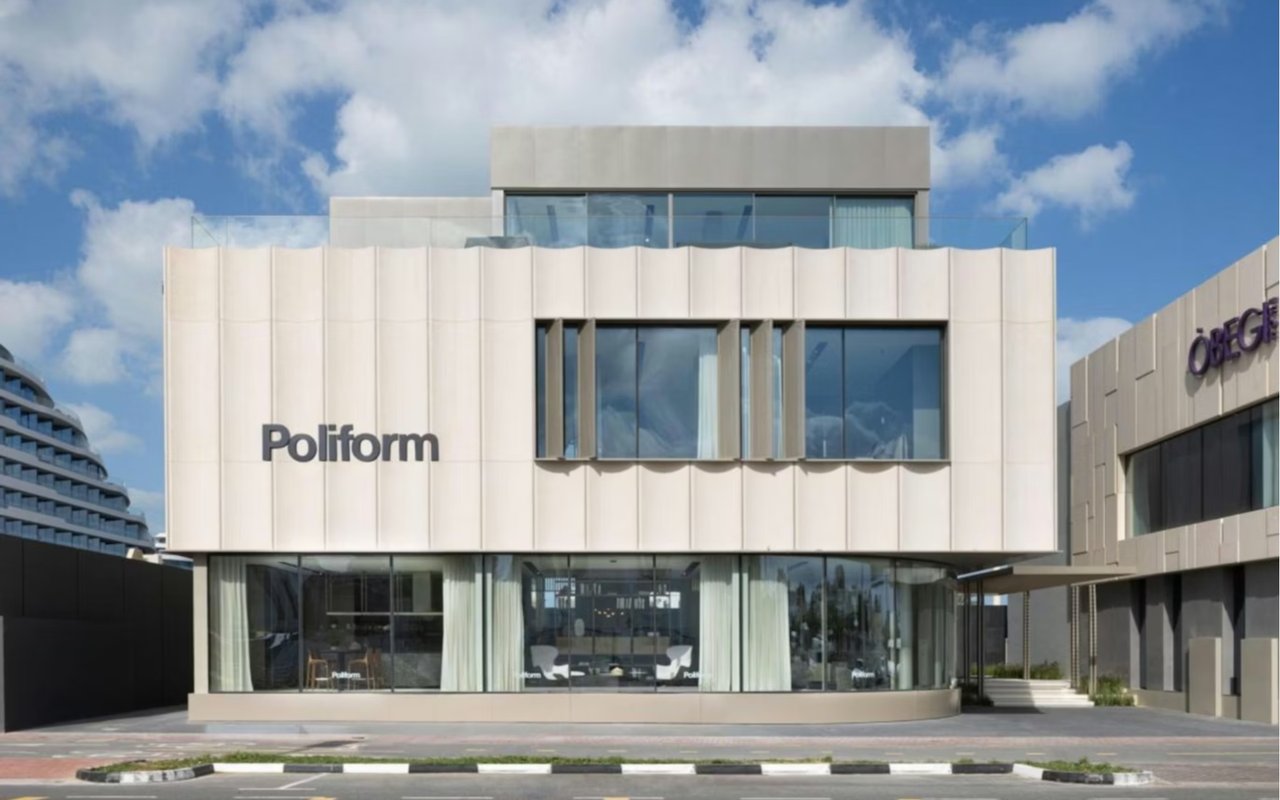
Tampa’s expanding commercial landscape presents meaningful opportunities for investors considering investments in retail and office properties. Both sectors contribute to the region’s economic growth and support distinct types of tenants, lease structures, and long-term returns. Insights into office space investments and retail property Tampa allow buyers to navigate this diverse market with clarity.
Strengths of Retail Properties in Tampa
Retail assets often benefit from visibility, foot traffic, and tenant types that rely on customer-facing operations. Neighborhood shopping centers in areas such as Carrollwood, New Tampa, and South Tampa attract tenants that offer services requiring physical locations, including medical clinics, fitness studios, pet services, salons, and dining establishments.
Retail properties may include inline stores, anchor-tenant centers, and out-parcel buildings along high-traffic corridors, such as Dale Mabry Highway. These locations consistently attract attention, helping tenants establish a strong brand presence. For investors seeking stable returns supported by long-term leases, retail centers with a strong tenant mix can provide appealing income streams.
Retail properties may include inline stores, anchor-tenant centers, and out-parcel buildings along high-traffic corridors, such as Dale Mabry Highway. These locations consistently attract attention, helping tenants establish a strong brand presence. For investors seeking stable returns supported by long-term leases, retail centers with a strong tenant mix can provide appealing income streams.
Strengths of Office Investments Across Tampa
Office assets play a significant role in Westshore, Downtown Tampa, and the I-75 corridor. Corporate tenants seek predictable lease terms, structured environments, and proximity to transportation hubs. Companies relocating to Tampa often choose these submarkets due to their proximity to Tampa International Airport, access to government services, or large employment bases.
Office properties include Class A towers with upgraded amenities, mid-rise suburban buildings, and flex-office suites. Many tenants sign leases spanning three, five, or seven years, creating stable and predictable income. Investors focused on office space investments often value this consistency and the lower turnover associated with established businesses.
Office properties include Class A towers with upgraded amenities, mid-rise suburban buildings, and flex-office suites. Many tenants sign leases spanning three, five, or seven years, creating stable and predictable income. Investors focused on office space investments often value this consistency and the lower turnover associated with established businesses.
Market Conditions Influencing Retail Performance
Retail performance in Tampa is shaped by the city’s strong hospitality sector, regional tourism, and population growth across Hillsborough and surrounding counties. Areas near the redeveloped Midtown Tampa district and Water Street Tampa have seen an increase in demand for service-based tenants and specialty dining concepts.
Neighborhood retail centers that serve established residential areas maintain stable occupancy due to ongoing demand for essential services. Properties anchored by grocery stores, medical providers, or fitness tenants often demonstrate resilience. Investors drawn to retail property Tampa appreciate the way these centers align with long-term spending patterns.
Neighborhood retail centers that serve established residential areas maintain stable occupancy due to ongoing demand for essential services. Properties anchored by grocery stores, medical providers, or fitness tenants often demonstrate resilience. Investors drawn to retail property Tampa appreciate the way these centers align with long-term spending patterns.
Market Conditions Influencing Office Performance
Tampa’s office market continues to evolve in response to hybrid work trends. Demand is concentrated in buildings that offer modern amenities, such as upgraded lobbies, collaborative areas, and on-site dining. Class A space in Westshore and Downtown Tampa often outperforms older buildings due to these upgraded features.
Suburban office parks in areas such as Northwest Tampa may attract tenants prioritizing convenience and parking. Some buildings have undergone renovations to remain competitive, focusing on improved common areas and flexible floor plans. Investors who monitor the performance of each submarket can identify opportunities tied to repositioning or updating older office assets.
Suburban office parks in areas such as Northwest Tampa may attract tenants prioritizing convenience and parking. Some buildings have undergone renovations to remain competitive, focusing on improved common areas and flexible floor plans. Investors who monitor the performance of each submarket can identify opportunities tied to repositioning or updating older office assets.
Comparing Lease Structures and Income Stability
Retail leases often include triple net terms, which shift property expenses, such as maintenance and taxes, to the tenants. Investors who want predictable net income may appreciate this structure. However, turnover may occur when retail tenants outgrow their space or shift business models.
Office leases may include full-service or modified gross structures in which property owners assume some operating costs. These agreements often span longer durations, reducing turnover and creating income stability. Tenants in office buildings also tend to plan their space for more extended periods, reducing the frequency of disruptions.
Office leases may include full-service or modified gross structures in which property owners assume some operating costs. These agreements often span longer durations, reducing turnover and creating income stability. Tenants in office buildings also tend to plan their space for more extended periods, reducing the frequency of disruptions.
Evaluating Location-Specific Advantages
Retail performance depends heavily on visibility, traffic flow, and co-tenancy. Properties along Kennedy Boulevard, Dale Mabry Highway, and Bruce B. Downs Boulevard benefit from steady vehicle counts and established commercial activity. Centers located near large intersections or residential clusters maintain consistent customer engagement.
Office performance is influenced by accessibility, proximity to major highways, and proximity to the airport. Westshore’s concentration of hotels, dining, and corporate headquarters makes it a leading destination for office tenants. Downtown Tampa benefits from its connection to the Riverwalk, Tampa Convention Center, and nearby government offices.
Office performance is influenced by accessibility, proximity to major highways, and proximity to the airport. Westshore’s concentration of hotels, dining, and corporate headquarters makes it a leading destination for office tenants. Downtown Tampa benefits from its connection to the Riverwalk, Tampa Convention Center, and nearby government offices.
Operating Costs and Management Considerations
Retail properties often require exterior maintenance, landscaping, parking lot care, and consistent management of signage and storefront presentation. Tenants expect well-maintained common areas that attract customers. Depending on the lease structure, these costs may be shared or shifted to tenants.
Office buildings require HVAC management, elevator servicing, interior maintenance of common areas, and janitorial coordination. Class A properties demand higher operational standards due to amenities and tenant expectations. Investors in office space investments must account for these needs when evaluating operating budgets.
Office buildings require HVAC management, elevator servicing, interior maintenance of common areas, and janitorial coordination. Class A properties demand higher operational standards due to amenities and tenant expectations. Investors in office space investments must account for these needs when evaluating operating budgets.
Future Growth and Demand Projections
Tampa’s continued economic expansion supports both retail and office opportunities. Residential growth drives demand for daily services, healthcare providers, and food establishments. These trends support investors focused on retail property Tampa.
Office demand is expected to remain strong in top-tier buildings and renovated spaces. Corporate relocations and expansions into the Tampa Bay region contribute to sustained interest in prime office submarkets. Properties positioned near transportation and amenities may see consistent demand as businesses continue to prioritize employee accessibility and building quality.
Office demand is expected to remain strong in top-tier buildings and renovated spaces. Corporate relocations and expansions into the Tampa Bay region contribute to sustained interest in prime office submarkets. Properties positioned near transportation and amenities may see consistent demand as businesses continue to prioritize employee accessibility and building quality.
When Retail May Be the Better Choice
Investors focused on customer-driven businesses, long-term neighborhood stability, and visibility-based tenant demand often find strong opportunities in the retail sector. Centers anchored by essential services tend to maintain stable occupancy, and outparcels near major intersections usually see strong interest from national tenants.
Retail also offers potential for value-added strategies, such as re-tenanting, façade improvements, and signage upgrades, that can increase marketability. Many investors consider retail when they want assets tied to daily consumption and service-based spending.
Retail also offers potential for value-added strategies, such as re-tenanting, façade improvements, and signage upgrades, that can increase marketability. Many investors consider retail when they want assets tied to daily consumption and service-based spending.
When Office May Be the Better Choice
Investors who prioritize long-term leases, predictable cash flow, and relationships with corporate or professional tenants may prefer office properties. Buildings in key corridors, such as Westshore and Downtown Tampa, continue to attract law firms, financial services companies, healthcare providers, and technology companies.
Office assets also present opportunities for repositioning through renovations, amenity upgrades, or adaptive layouts. This flexibility supports investors who enjoy hands-on improvements and market repositioning.
Office assets also present opportunities for repositioning through renovations, amenity upgrades, or adaptive layouts. This flexibility supports investors who enjoy hands-on improvements and market repositioning.
Contact Alan J. Kronenberg Today
Tampa’s commercial real estate market offers compelling opportunities in both retail and office sectors. Each property type provides distinct benefits, depending on its location, tenant mix, lease structure, and long-term performance. Investors who carefully evaluate these factors can align their selections with their preferred outcomes and risk profiles.
Alan J. Kronenberg provides strategic insight and in-depth market knowledge to help investors navigate Tampa’s commercial landscape and identify assets that align with their investment objectives.
Alan J. Kronenberg provides strategic insight and in-depth market knowledge to help investors navigate Tampa’s commercial landscape and identify assets that align with their investment objectives.