By Alan J. Kronenberg
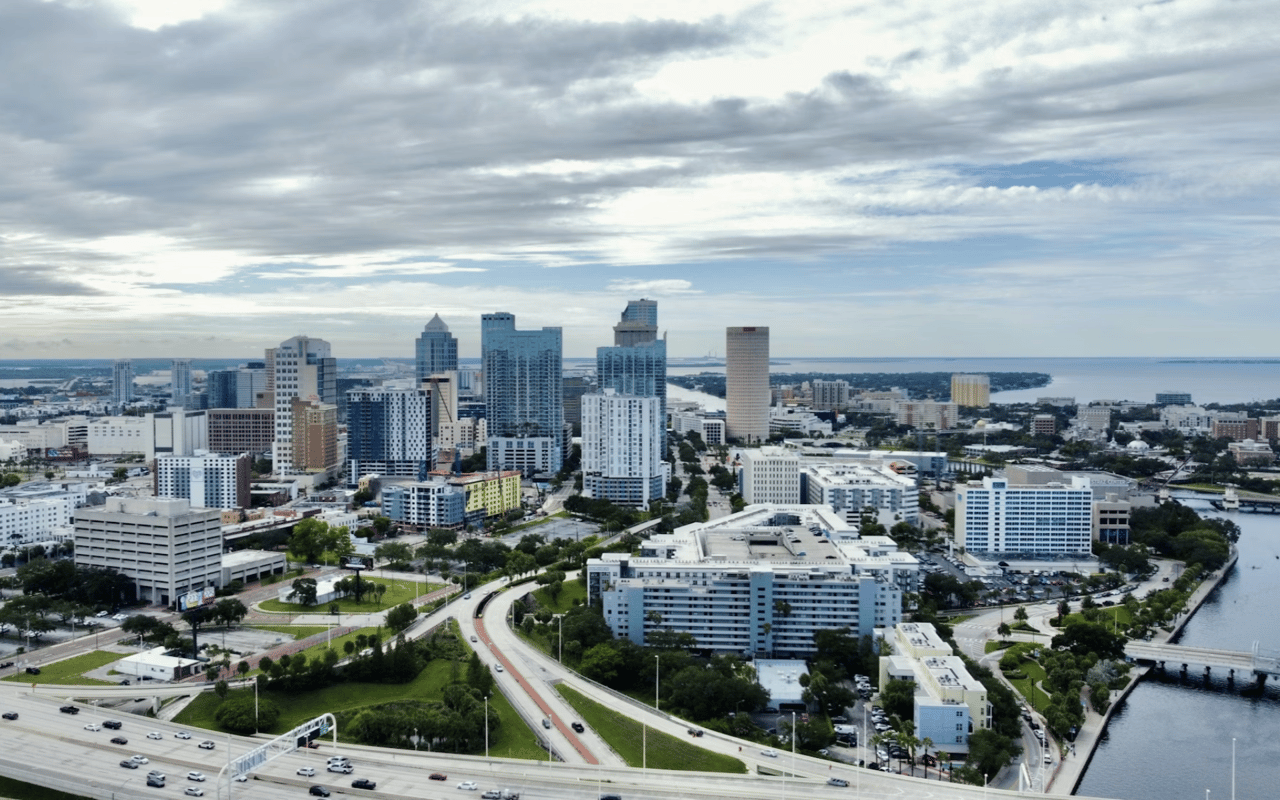
Tampa’s office market clusters along main corridors, including Westshore near Tampa International Airport, Downtown and Water Street Tampa on the bay, and the I-75 spine through Uptown, New Tampa, and Brandon. These areas connect quickly to the Selmon Expressway, I-275, and the Howard Frankland Bridge, which matters for teams who commute from Pinellas, South Tampa, and the northern suburbs.
Many decision-makers also weigh proximity to hotels, dining, and conference-ready venues around International Plaza, Sparkman Wharf, and Amalie Arena.
Key Takeaways
- Westshore: Airport-adjacent corporate core
- Downtown: Bayfront towers and mixed-use districts
- Uptown: Medical and innovation corridor
- I-75 East: Scalable campuses and value plays
Westshore: Tampa’s Airport-Adjacent Corporate Core
Westshore is the clearest example of Tampa business hubs because it combines Class A towers, hotels, and retail within minutes of Tampa International Airport.
Why Westshore stays at the top of many shortlists
- International Plaza and Bay Street area: Walkable dining and retail that supports client meetings and team convenience.
- Westshore District towers: Concentrated office inventory with professional management and predictable amenity standards.
- Spruce Street and Cypress Street access: Direct routes that simplify airport runs and cross-bay travel.
- Hotel adjacency: A deep bench of meeting space near major brands for visiting teams and event schedules.
This corridor also supports efficient commercial leasing when clients need visibility, conference capacity, and quick regional access.
Downtown Tampa and Water Street: Bayfront Address and Mixed-Use Energy
Downtown Tampa has become a destination for firms that want a waterfront setting, modern towers, and proximity to dining and entertainment along the Riverwalk.
Downtown anchors to consider for an office search
- Water Street Tampa: A master-planned district with premium streetscapes and a strong amenity halo for daily life.
- Riverwalk-adjacent towers: Easy access to hotels, restaurants, and waterfront routes for walking meetings.
- Convention and event proximity: Quick connections to the Tampa Convention Center and major venues for hosting.
- Transit and parking strategy: Structured parking and rideshare access that can be mapped block by block.
This district strengthens Tampa business hubs by pairing office space with an active urban calendar centered on Water Street Tampa, Amalie Arena, and Sparkman Wharf.
Uptown and the USF Area: Medical, Innovation, and Research-Driven Demand
Uptown sits near USF and major medical campuses, which makes it a practical target for healthcare, life sciences, and professional services.
What makes Uptown a consistent performer
- I-275 and I-75 connectivity: Simple north-south and east-west routing for regional operations.
- Medical campus adjacency: Proximity to major healthcare employers and outpatient networks that drive daytime demand.
- Business park layout: Campus-style sites that support parking, signage, and predictable traffic patterns.
- Service retail nearby: Quick access to lunch, gyms, and daily needs along Fowler Avenue and Bruce B. Downs Boulevard.
This corridor often supports commercial leasing that prioritizes access to I-275 and I-75 while staying close to a steady workforce base.
South Tampa and the Kennedy Corridor: Boutique Offices and Executive Convenience
South Tampa’s office pockets along Kennedy Boulevard and surrounding streets can work well for smaller teams, advisory firms, and executive-focused uses.
When South Tampa office sites make sense
- Kennedy Boulevard visibility: A high-recognition corridor that supports client access and local brand presence.
- Hyde Park Village proximity: Dining and retail options that help with recruiting and team satisfaction.
- Bayshore-adjacent access: A lifestyle-forward setting that supports walk breaks and informal meetings.
- Quick downtown connection: Short drives to Riverwalk offices and event venues for hybrid schedules.
This area supports Tampa business hubs differently by emphasizing proximity to Bayshore Boulevard, Hyde Park Village, and MacDill-bound routes.
Brandon and the I-75 East Spine: Space, Parking, and Expansion Flexibility
East Tampa and Brandon provide practical inventory for teams that need more space, easier parking, and straightforward logistics.
Why the I-75 East corridor stays on the table
- Interstate access: Direct connections for regional travel and cross-market client coverage.
- Campus-style properties: Sites that support larger floor plates and simpler operational flow.
- Parking convenience: Layouts that reduce friction for staff and visitors during peak hours.
- Cost-to-function balance: Space planning opportunities that can improve efficiency per square foot.
This corridor offers negotiating leverage in many situations, which can help align lease terms with business priorities.
FAQs
What is the fastest way to narrow down Tampa submarkets for an office search?
I start by mapping commute patterns and client travel needs, then match them to the corridor that reduces friction. That approach usually identifies two to three Tampa business hubs worth touring first.
How should commercial leasing strategy change between Westshore and Downtown?
Westshore tends to reward efficiency and airport access, while Downtown often centers on brand experience and mixed-use amenities. I structure tours and lease negotiations differently based on which value driver matters most.
What should investors watch closely when evaluating office properties in Tampa?
I focus on tenant mix, lease rollover timing, and how the building’s location supports consistent demand. Access to major corridors and a strong amenity halo can materially influence long-term resilience.
Contact Alan J. Kronenberg Today
Tampa is unique because airport access, waterfront districts, and interstate corridors sit close together, which makes location strategy a major advantage when it is chosen intentionally.
If you want a clear plan for Tampa business hubs and a commercial leasing strategy that matches your priorities, reach out to me at Alan J. Kronenberg, and I’ll help you compare submarkets with a deal-focused lens.