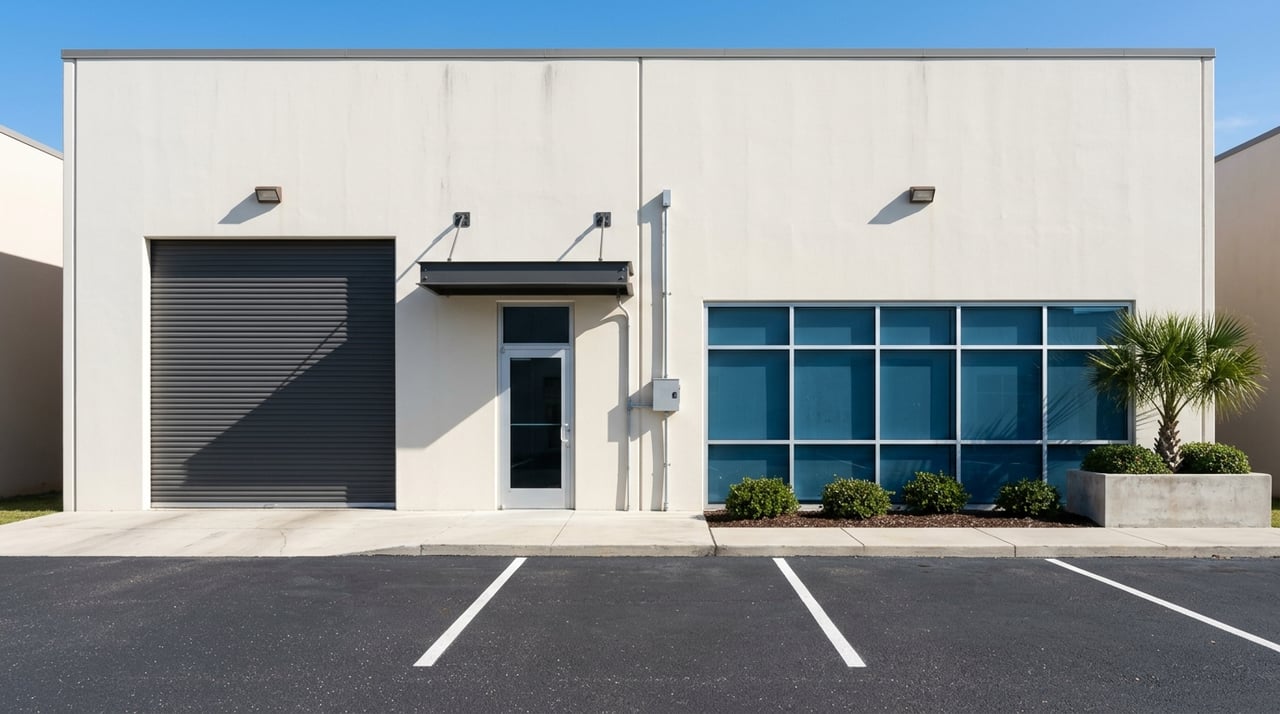
If your service business needs a central Tampa base, Drew Park is one of those places that keeps coming up for a reason. It is not trying to be a polished office district, and that is often the point for contractors, fleet users, logistics operators, and airport-adjacent businesses that need function first. If you are weighing whether Drew Park fits your operation, this guide will help you understand what works, what to watch, and how to evaluate space more confidently. Let’s dive in.
Why Drew Park works for service businesses
Drew Park has long been tied to practical commercial use. The neighborhood grew out of Drew Field, Tampa’s first municipal airport, and today the City of Tampa describes the area as a mix of light industry and housing.
That mix gives the district a very specific feel. You are more likely to find working yards, warehouse space, vehicle-related uses, and service-oriented properties than image-driven office campuses. For many owner-operators, that can be a better match for day-to-day operations.
The city’s redevelopment materials also point to a big advantage: proximity to Tampa International Airport and a supply of relatively affordable industrial land and space. If your business depends on regional access, equipment storage, dispatch efficiency, or easy movement around Tampa, that location can matter a lot.
Best-fit property types in Drew Park
Not every part of Drew Park functions the same way. The area has different land-use patterns, and that affects what kind of business setup may fit best.
Highway frontage suits customer-facing uses
Along Dale Mabry Highway and Hillsborough Avenue, the city describes a highway-commercial pattern. That frontage includes retail, service uses, big-box commercial, auto dealerships, hotels and motels, plus some institutional and sports-related uses.
If your business depends on visibility, drive-by traffic, or easier customer access, those corridors may offer the strongest fit. Think along the lines of service shops, auto-related businesses, or companies that need a public-facing location with convenient road exposure.
Interior areas fit light industrial operations
In the interior area north of Martin Luther King, Jr. Boulevard, the city says the district is largely light industrial. Zoning in that area supports fabrication, light assembly, vehicle repair, telecommunication, maintenance depots, and similar business uses.
That matters because Drew Park is one of the few areas in Tampa that actively encourages those kinds of operations. If you run a trade business, service fleet, repair company, or contractor operation, this part of the neighborhood may offer the practical utility you need.
Airport-edge sites help logistics users
Closer to the airport edge, the city discusses airport-related commercial, office, warehouse and distribution, and light industrial space. That makes this part of Drew Park especially relevant if your business relies on warehouse flow, contractor storage, or fast regional dispatch.
For many operators, that can translate into shorter drive times, easier deliveries, and a more efficient service radius. It is one of the reasons Drew Park often appeals to logistics-minded businesses.
What daily operations can feel like
Running a business out of Drew Park often means prioritizing function over finish. Many properties are built for operational utility, not polished presentation, which can be a benefit if your team needs yard space, service bays, truck access, or flexible warehouse use.
At the same time, the neighborhood is not a one-size-fits-all industrial park. Residential pockets still exist, especially in the southern core, so some sites sit closer to homes than business owners may expect.
That mixed pattern affects practical decisions like outdoor storage, employee parking, loading activity, and early morning departures. A property that looks workable on paper may feel very different once you visit at operating hours.
Access and traffic advantages
One of Drew Park’s biggest strengths is connectivity. The city says the area is bordered by Dale Mabry Highway and Hillsborough Avenue, and those arterials provide direct access to I-275.
That kind of road access can be a major plus for companies serving customers across Tampa. It supports faster dispatch, easier vendor trips, and more flexibility if your crews move around the region throughout the day.
The neighborhood also has a collector street grid that includes Lois Avenue and other east-west connectors. Some local streets are irregular because they date back to the airfield era, so route planning may not always feel perfectly intuitive, but the broader road network is still a key advantage.
Airport access supports regional movement
Drew Park sits within the same west Tampa traffic pattern that supports Tampa International Airport. The airport’s directions page highlights the broader network feeding the area through I-275, SR 60, the Veterans Expressway, and local roads such as Spruce Street.
For a service business, that can help with employee travel, supplier access, cargo movement, and regional coverage. Even if your company is not airport-related, being near that transportation web can improve overall operational efficiency.
Nearby demand drivers matter
Drew Park is not isolated. The city points to the Westshore Business District to the south and west, an industrial and distribution area to the north, and sports and hospital or medical districts to the east.
That surrounding demand can be useful if your business serves offices, industrial users, healthcare facilities, event-related needs, or nearby commercial properties. It broadens your potential customer base beyond the immediate neighborhood.
The city also places Hillsborough Community College’s main campus and Legends Field in Drew Park. Those uses add activity to the area and can influence traffic patterns, parking demand, and business visibility depending on your location.
Event-day traffic is a real factor
On a normal day, parking and traffic may feel manageable. But the city notes that overflow parking and congestion can become an issue when Raymond James Stadium or Legends Field hosts major events.
If you run a service business from Drew Park, this is not just a minor inconvenience. It can affect delivery timing, customer appointments, employee arrivals, and fleet dispatch.
That is why event calendars should be part of your operating plan. If your business depends on strict time windows, same-day service, or regular truck movement, this issue deserves attention before you commit to a site.
Operating hours and noise considerations
The city materials reviewed do not identify a Drew Park-specific curfew. Instead, practical limits come from Tampa’s general noise rules, including enforcement for unreasonably excessive noise and separate rules for construction noise.
In a mixed area like Drew Park, that matters. Since residential uses still sit near commercial and light-industrial parcels in some sections, business owners should think carefully about how their operation sounds outside normal business hours.
Noise planning can prevent problems
For many service operators, the main concerns are simple but important:
- Late-night loading
- Early-morning departures
- Backup alarms
- Compressor placement
- Outdoor work activity
- Vehicle staging near neighboring properties
A site may technically support your use, but that does not always mean it supports your operating style comfortably. It is smart to evaluate how your hours and equipment line up with the immediate surroundings.
Older buildings require more diligence
Drew Park offers practical space, but the building stock deserves a close look. The city’s redevelopment plan says many structures are pre-1956, and a large share are deteriorated.
That does not mean the area lacks opportunity. It does mean you should look beyond rent or purchase price and pay close attention to the real cost of making a property work.
Key property checks before you sign
If you are buying or leasing in Drew Park, focus on a few operational basics:
- Drainage conditions on the site
- Stormwater and localized flooding history
- Paving quality and parking surface condition
- Truck circulation and turning room
- Outdoor storage functionality
- Building code compliance
- Yard layout for service vehicles or equipment
These issues can directly affect how efficiently your business runs. A lower-cost property can become expensive quickly if the site layout creates daily friction.
Redevelopment is improving the area
Drew Park is changing, not standing still. The city says major infrastructure and streetscape improvements are underway on Lois Avenue, and a mobility, connectivity, and safety project is planned to address sidewalks, crosswalks, pedestrian and bicyclist safety, transit stops, and on-street parking.
That suggests long-term reinvestment in the district. For business owners, that can be a positive sign if you want a location with improving public infrastructure and stronger long-term usability.
Still, near-term construction can create some friction. Depending on your block, road work or streetscape improvements may temporarily affect access, parking, or jobsite timing.
Who Drew Park fits best
Drew Park tends to make the most sense for businesses that value utility, location, and access over image. Based on the city’s land-use and redevelopment descriptions, the neighborhood is especially relevant for:
- Logistics firms
- Trades and contractor operations
- Fleet-based service businesses
- Vehicle repair and maintenance uses
- Warehouse and distribution users
- Airport-adjacent service companies
If your business needs a polished corporate setting, Drew Park may not be the best fit. But if you need central access, workable industrial space, and a location built around getting things done, it can be a strong option.
How to evaluate a Drew Park site
A good Drew Park property is rarely just about square footage. The better question is whether the site supports how your business actually operates each day.
When you tour space, think beyond the building itself. Look at circulation, loading patterns, parking, event-day traffic exposure, and how nearby uses may affect your hours or noise profile.
A practical site selection process should include:
- Confirming the property’s use fit for your operation
- Reviewing building and yard functionality
- Evaluating traffic and event-day impacts
- Checking drainage, paving, and circulation
- Comparing access to your customers, crews, and vendors
That kind of diligence can help you avoid expensive surprises later.
If you are considering buying, leasing, or repositioning commercial space in Drew Park, working with a local advisor can help you compare sites with a more operational lens. To talk through your options, connect with Alan J. Kronenberg.
FAQs
What kinds of businesses fit Drew Park in Tampa?
- Drew Park is generally well suited for service businesses, contractor operations, fleet users, logistics companies, vehicle-related uses, warehouse and distribution users, and airport-adjacent commercial operations.
Is Drew Park good for a contractor yard or fleet-based business?
- It can be, especially in the light-industrial parts of the neighborhood where the city says zoning supports uses like maintenance depots, vehicle repair, fabrication, and similar practical business operations.
What traffic issues should a business owner expect in Drew Park?
- Regular regional access is a strength, but major events at Raymond James Stadium or Legends Field can create overflow parking and congestion that may affect deliveries, appointments, and dispatch timing.
Are there noise concerns for commercial properties in Drew Park?
- Yes. Drew Park has a mix of commercial, light-industrial, and residential areas, so Tampa’s general noise rules can matter when planning loading, equipment placement, backup alarms, and early or late operating hours.
Are Drew Park buildings older than other Tampa industrial areas?
- Many are. The city’s redevelopment plan says many structures are pre-1956, and that makes careful review of drainage, paving, circulation, and code compliance especially important.
Is Drew Park near Tampa International Airport?
- Yes. One of the area’s biggest advantages is its proximity to Tampa International Airport and the west Tampa road network that connects through I-275, SR 60, the Veterans Expressway, and local roads.
What should you check before leasing space in Drew Park?
- You should closely review use fit, yard and parking layout, truck circulation, drainage conditions, stormwater history, outdoor storage functionality, noise compatibility, and event-day traffic impacts before signing a lease.