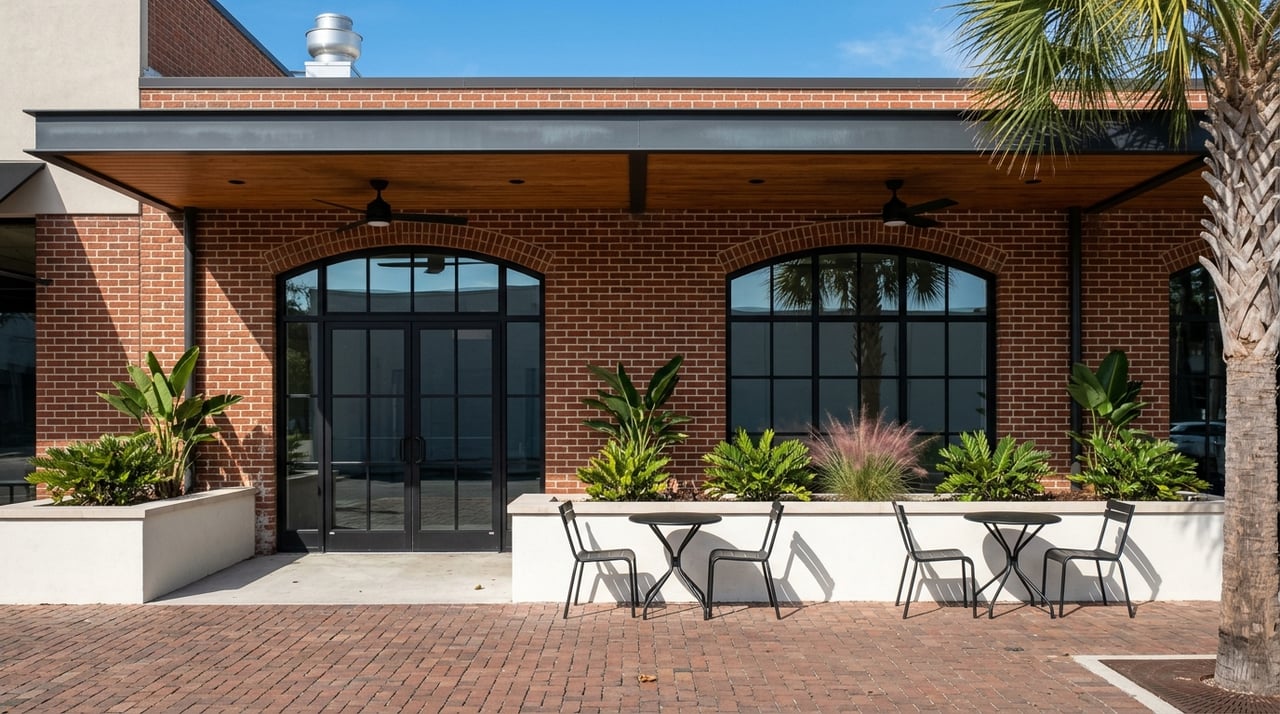
If you are thinking about opening a restaurant or bar in Ybor City, the opportunity is real, but so is the complexity. This is not a plug-and-play retail corridor where you sign a lease, build a kitchen, and open the doors a few weeks later. In Historic Ybor, your success depends on matching your concept to the district’s customer demand, historic rules, access patterns, and nightlife realities. Let’s dive in.
Why Ybor City Stands Out
Ybor City is one of only three National Historic Landmark Districts in Florida, and the City of Tampa positions it as Florida’s Latin Quarter. The district is known for brick-lined walkways, wrought-iron balconies, cigar-factory architecture, and a strong mix of dining, shopping, entertainment, and nightlife. Historic East 7th Avenue remains the main commercial spine, which makes location within the district especially important.
For a food-and-beverage operator, that historic identity can be a major draw. Customers do not just visit Ybor for convenience. They come for the setting, the atmosphere, and the experience of being in one of Tampa’s most recognizable commercial districts.
Food and Beverage Demand Looks Real
One of the clearest signals for new operators is that both workers and residents have identified diversity in food and beverage options as a gap. In the City’s 2023 Ybor worker and resident study, this showed up as a notable deficiency, which suggests room for well-planned concepts that add something different to the market.
That does not mean every concept will work. It means the district appears to reward businesses that understand what is missing and can deliver a strong fit for the area’s daily users, visitors, and nightlife crowd.
What that means for your concept
Before you tour spaces, it helps to pressure-test your idea against Ybor’s real conditions:
- Is your concept distinct enough to stand out in an entertainment district?
- Can it perform during evenings and weekends, when district activity is strongest?
- Will it depend on easy curb parking, or can it succeed with garage and streetcar users too?
- Can the space physically support kitchen, ventilation, and occupancy needs?
These questions matter early because in Ybor, the wrong site can create expensive delays even if the rent looks attractive.
Historic Buildings Change the Process
A big part of Ybor’s appeal is also what makes opening here more challenging. The Barrio Latino Commission helps preserve the district’s historic fabric and architectural integrity, and it reviews construction using the Secretary of the Interior’s Standards for Rehabilitation. In practical terms, that means your storefront changes, exterior improvements, and some site details may face a higher level of review than you would see in a typical suburban retail center.
The City’s Ybor design guidelines organize review around commercial rehabilitation topics like doors, windows, awnings, storefronts, roofs, foundations, lighting, parking, paving, and street-level details. If you are evaluating a second-generation restaurant, a former retail bay, or an older mixed-use building, those standards can affect budget, timeline, and design flexibility.
Why early site review matters
A space may look charming on day one but still be a poor operational fit. Older buildings can create challenges around hood venting, suppression systems, accessibility, and layout efficiency. If your concept requires significant kitchen infrastructure, you need to know early whether the building can realistically support it.
This is where disciplined site selection becomes more than a real estate task. It becomes a risk-management step.
Build-Out Approvals to Expect
For restaurant and bar operators, Tampa offers a Preliminary Plan Review process. This gives you early feedback on Florida Building Code, Fire Prevention Code, and zoning questions before you submit formal permits. That can be especially useful in Ybor, where older buildings and layered approvals can create surprises.
The City’s commercial permitting materials specifically call out items that matter to food-and-beverage users, including kitchen hoods, sprinklers, alarms, and dumpster enclosures. For hood final inspection, the system must be connected to the duct, and related elements like grease filters, fans or blowers, access doors or fire dampers, and the fire suppression system must be installed.
Key approvals that can affect timing
Depending on the space and concept, you may need to account for:
- Historic review tied to the building and exterior work
- Commercial permit review for your build-out
- Fire review for occupancy and life-safety items
- Zoning review, especially if alcohol service is part of the concept
- Right-of-way review if you want outdoor seating
Each layer can be manageable, but together they make early due diligence essential.
Alcohol and Assembly Rules Can Add Complexity
If your concept includes alcohol sales, there is a separate wet-zoning inquiry process through the City for permanent, temporary, and extension wet zonings. That should be part of your site-screening process, not something you leave until after lease negotiations are nearly complete.
Occupancy can also trigger added review. The Fire Marshal states that a permit is required for any occupancy defined as an assembly with 50 or more attendees and or a change of use. That means a bar, lounge, or larger dining concept may face requirements that a smaller, lower-intensity use would not.
A smart way to evaluate a space
When comparing spaces, ask not only whether the site looks right for your brand, but also:
- Has the space previously operated as a restaurant or bar?
- Is there existing hood, grease, or suppression infrastructure?
- Will your expected occupancy trigger assembly-related review?
- Is wet-zoning status already in place, or will you need to pursue it?
These factors can materially change your startup cost and opening timeline.
Outdoor Seating Is a Real Opportunity
Outdoor seating can be a strong fit in Ybor because the district is pedestrian-oriented and experience-driven. But sidewalk tables are not simply a design choice. Tampa routes sidewalk café and street café applications through its right-of-way permitting process.
The City points applicants to site plan examples, a certificate of insurance with liquor-liability coverage, a hold-harmless agreement, and Fire Marshal sidewalk café standards. Review and approval typically takes about 12 to 15 business days, according to the City.
Why patios should be planned early
If outdoor seating is important to your business model, treat it as part of site selection and not as a bonus feature you sort out later. A corner location, sidewalk width, pedestrian flow, and nearby operations can all influence how practical that seating will be.
In a district where atmosphere matters, a well-planned patio can add visibility and revenue. But only if the site can support it from the start.
Parking and Access Matter More Than You Think
Many operators focus heavily on rent and frontage, but access can make or break performance in Ybor. The district has two garages, three surface lots, and 613 on-street spaces, including about 530 metered spaces priced at $2 per hour. The TECO Line Streetcar also serves Ybor with four stops, and the City’s parking report notes record ridership and increased support after COVID-19.
The catch is that parking demand is heavily concentrated during evenings and weekends. The City reports that on-street parking utilization was high during observation periods, and off-street surface lots routinely reached capacity at those peak times. At the same time, the Ybor and Palm garages showed surplus supply during those periods.
What this means for location strategy
A location that depends on curb parking alone may be harder to market. By contrast, a site with practical access to a garage or streetcar stop can be easier for customers and staff to use consistently.
The 2023 worker and resident study also showed recurring pain points around parking affordability and accessibility. That means your address, your customer messaging, and your operating plan should all account for how people actually arrive.
Nightlife Conditions Shape Operations
Ybor is a nightlife district, and that has direct implications for restaurant and bar operators. The district’s activity pattern leans strongly toward evenings and weekends, which can support later service hours and high-traffic periods. But the same pattern also creates more pressure around sound, queuing, cleanup, lighting, and security.
The City’s noise complaint page states that unreasonably excessive noise is prohibited in the Ybor City Historic District under Sec. 14-153, with enforcement based on decibel levels by time of day and a five-minute warning before citation. For late-night concepts, sound management is not a side issue. It is part of staying operationally stable.
Operational details that matter
The City’s 2023 study also identified public-area cleanliness and a strong sense of personal safety as important expectations gaps. For an operator, that raises the importance of basics like:
- Trash handling and pickup planning
- Exterior lighting
- Door and line management
- Post-close cleanup routines
- Clear staffing plans for busy nights
A concept that runs smoothly after dark is often better positioned to protect both customer experience and long-term compliance.
How to Think About Site Selection
In Ybor City, the best site is not always the one with the lowest rent or the most obvious frontage. The better question is whether the property can support your concept with a realistic path through approvals, build-out, access, and day-to-day operations.
That usually means weighing several variables at once:
| Site Factor | Why It Matters in Ybor |
|---|---|
| Historic status | May affect exterior changes and review timeline |
| Existing restaurant infrastructure | Can reduce build-out cost and delays |
| Wet-zoning path | Important if alcohol is central to the concept |
| Occupancy profile | May trigger assembly and fire review |
| Outdoor seating potential | Requires permitting and site-specific feasibility |
| Garage or streetcar access | Helps reduce reliance on scarce curb parking |
| Nighttime operating fit | Supports smoother noise, cleanup, and crowd management |
A disciplined site search can save you from choosing a space that looks exciting on first tour but becomes expensive in due diligence.
Why Local Guidance Helps
Opening in Historic Ybor is not just about finding an available storefront. It is about understanding how location, permitting, historic review, and operating realities connect before you commit to a lease or purchase.
If you are exploring restaurant or bar space in Ybor City, working with a commercial real estate advisor who understands Tampa’s submarkets, entitlement issues, and site-selection risk can help you narrow options faster and avoid costly missteps. For tailored help with site selection, lease negotiation, or acquisition strategy in Tampa Bay, connect with Alan J. Kronenberg.
FAQs
What makes Ybor City attractive for a restaurant or bar?
- Ybor City offers a historic, nightlife-oriented setting with strong visitor appeal, and City research suggests there is still a gap in food and beverage variety for workers and residents.
Do historic rules affect restaurant spaces in Ybor City?
- Yes. Because Ybor is a historic district, the Barrio Latino Commission reviews construction and exterior-related changes to help preserve the area’s architectural character.
Do you need special approvals for a bar in Ybor City?
- Potentially. If your concept includes alcohol sales, you may need to address the City’s wet-zoning inquiry process, and larger occupancies may also trigger Fire Marshal review.
Can you add outdoor seating to a restaurant in Ybor City?
- Yes, but outdoor seating typically requires City right-of-way review, along with site plans, insurance documentation, and compliance with sidewalk café standards.
Is parking a challenge for Ybor City restaurants and bars?
- Parking can be a challenge, especially during evenings and weekends. Garage access and proximity to the TECO Line Streetcar can be an advantage over sites that rely mostly on curb parking.
What should you look for when choosing restaurant space in Ybor City?
- Focus on more than rent. You should evaluate historic review exposure, existing kitchen infrastructure, occupancy issues, wet-zoning needs, outdoor seating potential, and how customers and staff will access the site.