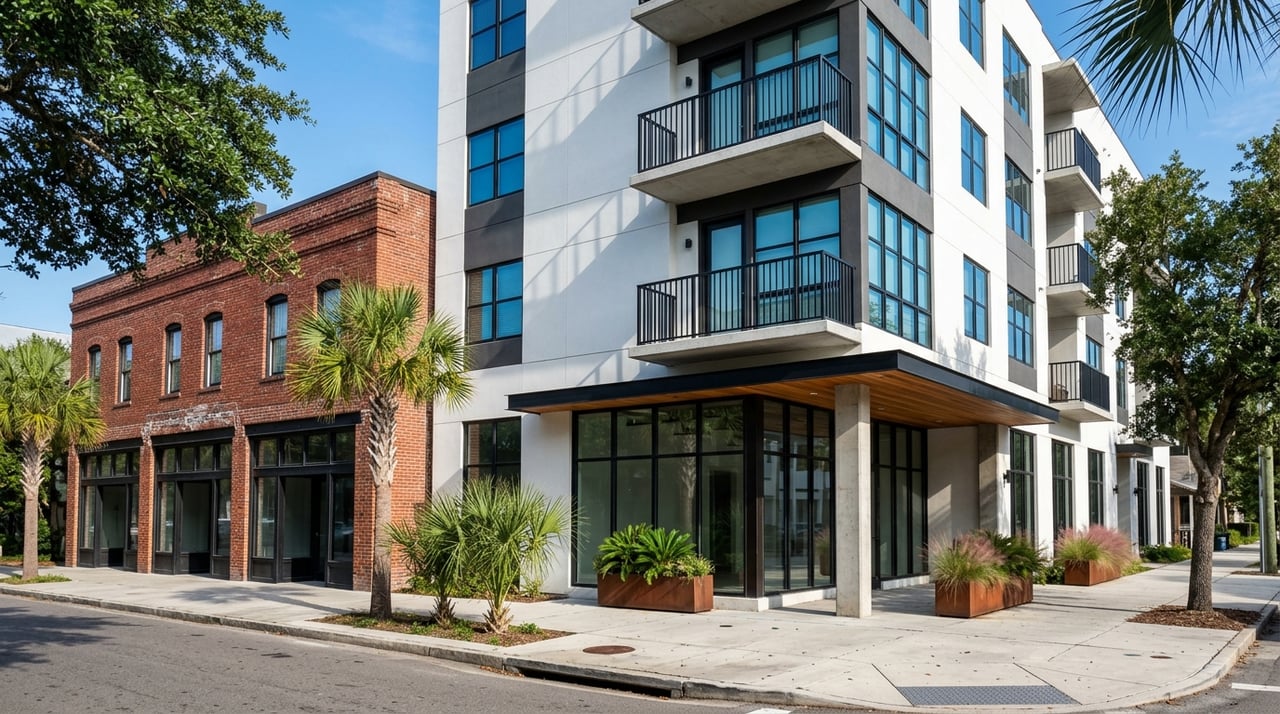
If you are looking at Ybor City and GasWorx for your next mixed-use play, you are not just underwriting buildings. You are underwriting history, infrastructure, approvals, and the way people actually move through the district. That can feel like a lot to sort through, especially if you want clear signals instead of hype. In this guide, you will see what makes Ybor City compelling, where GasWorx changes the equation, and which diligence points matter most before you move forward. Let’s dive in.
Why Ybor City Stands Out
Ybor City is not a typical infill submarket. The City of Tampa identifies it as Tampa’s National Historic Landmark District, and it is one of only three National Historic Landmark Districts in Florida. That status gives the area a distinct identity, but it also means redevelopment happens within a preservation-sensitive framework.
You are also dealing with a neighborhood inside the Ybor Community Redevelopment Area. The city administers that CRA through tax increment funds, while the Barrio Latino Commission helps preserve historic fabric and architectural integrity through construction review. In practical terms, Ybor should be evaluated as both a real estate market and a tightly managed entitlement environment.
Why Demand Supports Mixed Use
The broader Tampa market provides a meaningful base for mixed-use redevelopment. According to the Census Bureau’s July 1, 2025 estimate, Tampa had 413,554 residents, while Hillsborough County had 1,574,115. That population scale matters when you are assessing long-term support for housing, neighborhood retail, and service uses.
Income and spending data also help support the case. Tampa reported a median household income of $75,475, median gross rent of $1,701, retail sales of $11.38 billion, and accommodation and food services sales of $2.92 billion. Those figures suggest a real spending base for retail, dining, and everyday consumer services, without requiring a luxury-only leasing strategy.
How GasWorx Changes the Market
GasWorx is the biggest current catalyst in this part of Tampa. The City of Tampa’s 2025 annual report says the project spans the Central Park, Downtown, and Ybor City II CRAs and totals 6 million square feet. That scale alone makes it a major force in how the district will grow.
At Phase 1 completion, city reporting says GasWorx is expected to add 5,000 residences, 500,000 square feet of office space, and 150,000 square feet of retail. The first residential building, La Union, opened in fiscal year 2025. For investors, that means the project is not just conceptual. It is already moving from plan to delivered product.
Affordable housing is part of the program too, but the safest way to frame it is carefully. City materials indicate roughly 300-plus affordable units, and the Community Benefits Agreement cites 361 units for households at 80% to 120% of area median income. That matters because it points to a broader residential base rather than a one-dimensional product mix.
Why Infrastructure Matters Here
In Ybor City, horizontal improvements are a core part of the value story. GasWorx includes a new streetcar stop, parks, trails, street-grid completion, stormwater upgrades, raised street elevations above flood levels, undergrounding of overhead lines, and brownfield remediation. These are not side benefits. They shape how the district functions and how future projects perform.
A city presentation described the planned stop as the first new streetcar stop since service restarted in 2002. The reimbursement structure is also tied to GasWorx-generated tax increments rather than existing funds. That tells you value creation here is closely tied to infrastructure delivery and entitlement conversion, not just vertical construction.
What Makes Mixed Use Work in Ybor
The planning logic behind Ybor has long centered on bringing more residents into the district. An older CRA plan stated that residential development was necessary for neighborhood vitality and that Ybor should function as a mixed-use urban environment. GasWorx is essentially a larger, modern version of that strategy.
That matters because residential density is often the demand engine for everything else. More people living in and near the district can support shops, restaurants, personal services, and small office users throughout the day and into the evening. Mixed-use success here depends on daily activity, not just occasional visitors.
Best-Fit Uses for the District
Ybor’s current identity still shapes what tends to fit best. The city describes the district as a shopping, dining, and entertainment area, and the Tampa CRA annual report says it continues to attract millions of visitors each year. That existing pattern gives you clues about tenant demand and operational strategy.
The fare-free TECO Line Streetcar strengthens that pattern. It connects downtown, the Channel District, and Ybor, and it carried 1,317,631 riders in fiscal 2025. With that kind of pedestrian and transit activity, the strongest uses tend to be those that benefit from walkability and street presence rather than auto-oriented traffic counts.
Strong mixed-use tenant categories
- Experiential retail
- Restaurants and cafes
- Bars and food-and-beverage concepts
- Personal services
- Fitness users
- Boutique office space
- Service businesses that benefit from pedestrian traffic
If you are evaluating a site, ask whether the proposed use matches how people already interact with Ybor. A concept that depends on easy parking and quick-drive access may be less aligned than one that benefits from foot traffic, street visibility, and a connected public realm.
Key Diligence Risks to Watch
Ybor can offer strong upside, but it comes with real complexity. The Barrio Latino Commission is charged with preserving the district’s historic fabric, and city design guidelines address storefronts, doors, windows, awnings, paving, parking, fences, lighting, and street furniture. Those controls can affect design, timeline, and cost in a meaningful way.
That means your diligence should go beyond standard underwriting. Massing, materials, frontage treatment, and site circulation can all influence approvals and final project economics. In a submarket like this, design is not just aesthetic. It is part of execution risk.
Review these approval issues early
- Historic compatibility requirements
- Frontage and storefront design expectations
- Material selection and façade treatment
- Site circulation and parking layout
- Public-realm interface with sidewalks and streetscape
- Timing tied to review and approval processes
Flood Resilience and Capital Planning
Infrastructure resilience is another major checkpoint. GasWorx project documents highlight stormwater replacement, street elevations above flood levels, undergrounding overhead lines, brownfield cleanup, and a large increase in street parking. These improvements can strengthen long-term performance, but they also point to significant early capital and execution requirements.
If you are comparing opportunities, this is an important distinction. In Ybor, some of the biggest costs and risks may sit in the ground, in the street network, or in pre-stabilization work rather than in the building shell alone. A project can look attractive on a simple rent-and-cost model while still carrying major complexity underneath.
Transit Is a Strength, With a Caveat
The streetcar is a real advantage for mixed-use redevelopment in this corridor. It supports movement between Ybor, downtown, and surrounding districts without relying solely on car traffic. That can help retail, office, and residential uses work together more effectively.
At the same time, public funding still matters. The city’s annual report says Tampa added $700,000 in fiscal 2025 to preserve the fare-free streetcar program after a grant ended. The takeaway is not that transit is weak. It is that successful underwriting should recognize that public-realm activation can be strong while still depending in part on ongoing public decisions.
A Practical Way to Evaluate Opportunities
If you are screening mixed-use redevelopment in Ybor City and around GasWorx, focus on a few core questions first. Doing that can help you separate projects with real place-making potential from deals that only look good on paper.
Ask these questions before you pursue a site
- Does the concept fit a walkable, transit-connected district?
- Is the business plan supported by residential density growth?
- Have you accounted for historic review and design controls?
- Do infrastructure needs add meaningful pre-stabilization cost?
- Is the tenant mix built for pedestrian behavior rather than auto traffic?
- Are you valuing public-realm improvements as part of the return profile?
The strongest thesis in Ybor is usually not a passive retail play. It is a mixed-use, transit-connected, historic-adaptive-reuse or infill strategy where value comes from approvals, infrastructure, and tenant curation. If you can underwrite time, complexity, and place-making, the district may offer a more durable long-term opportunity.
What This Means for Investors
Ybor City and GasWorx reward a specific type of investor mindset. You need to be comfortable with layered diligence, public-private context, and a project story that depends on more than rent growth alone. This is a market where execution can matter as much as acquisition basis.
That is also why local, technical guidance matters. If you are assessing acquisitions, site selection, lease positioning, or disposition timing in this part of Tampa, a clear view of approvals, district dynamics, and user demand can help you avoid expensive assumptions. For tailored guidance on mixed-use opportunities in Ybor City and the broader Tampa Bay market, connect with Alan J. Kronenberg.
FAQs
What makes Ybor City different from other Tampa redevelopment areas?
- Ybor City is Tampa’s National Historic Landmark District and sits within a community redevelopment framework, so opportunities involve both market potential and preservation-sensitive approvals.
Why is GasWorx important for Ybor City mixed-use redevelopment?
- GasWorx is a 6 million square foot mixed-use project that is expected at Phase 1 completion to add 5,000 residences, 500,000 square feet of office, and 150,000 square feet of retail, making it a major district catalyst.
What types of tenants fit best in Ybor City mixed-use projects?
- Uses that benefit from walkability and foot traffic, such as experiential retail, restaurants, cafes, personal services, fitness, and boutique office, are generally better aligned with the district’s character and transit access.
What approval risks should you review in Ybor City before buying a site?
- You should closely review historic preservation requirements, storefront and façade expectations, materials, site circulation, parking layout, and review timelines because these factors can affect both cost and schedule.
How does the TECO Line Streetcar affect Ybor City redevelopment?
- The fare-free streetcar connects Ybor with downtown and the Channel District, carried 1,317,631 riders in fiscal 2025, and supports the kind of pedestrian activity that mixed-use projects often need.
What is the biggest underwriting mistake in Ybor City mixed-use deals?
- A common mistake is treating the opportunity like a simple auto-oriented retail play instead of accounting for infrastructure needs, entitlement complexity, and the importance of place-making in a historic, transit-connected district.